I have always believed that Hogwarts Legacy got the fantasy of being a witch or wizard right in many ways, but the dark arts remain its most frustrating missed opportunity. In 2026, with a sequel widely expected to define the next chapter of Avalanche Software's wizarding world, I keep returning to the same thought: the Unforgivable Curses should not feel like ordinary spell unlocks. They should feel dangerous, tempting, and narratively expensive. In the first game, they do not.
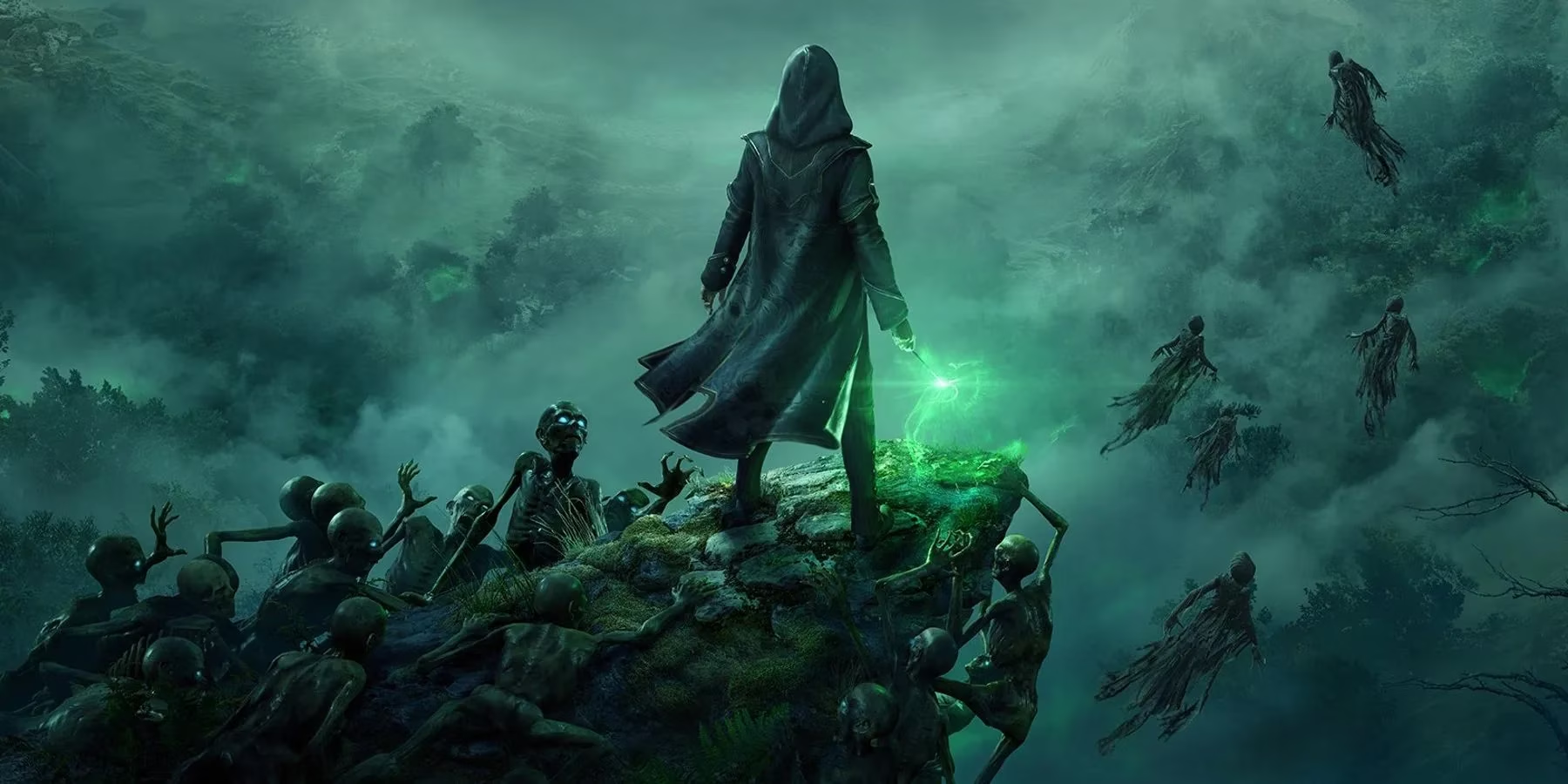
The core problem is how thoroughly Hogwarts Legacy trivializes dark magic as a gameplay mechanic. I can learn all three Unforgivable Curses, and the game barely blinks. NPCs still treat me normally. The main story continues as if I have not just learned a torture spell, an mind-control spell, and an instant-killing curse. There are no meaningful gameplay downsides, no companion backlash, no reputation shift, and no lasting narrative stain. That is a strange outcome for spells that the Harry Potter universe consistently frames as evil. For me, this harms the role-playing experience and breaks immersion. I never felt like a student walking a dangerous path; I felt like I had unlocked three extra combat buttons.
Why Weight Matters
If dark magic is going to be available, then the decision to use it should carry weight. The Unforgivable Curses should not be treated the same as a basic attack or a utility spell. I want the sequel to make me pause before casting Avada Kedavra, not because the animation is cool, but because I know the story will remember it. That could mean NPCs react with fear or suspicion. Companions could challenge me or leave. Quest lines could close. The world could become colder and more hostile. Even small consequences would make the dark arts feel real.
A useful way to think about this is through a simple comparison:
| Aspect | Hogwarts Legacy | Sequel ideal |
|---|---|---|
| Unforgivable Curses | No real consequences | Story, companion, and reputation costs |
| NPC reactions | Mostly unchanged | Fear, suspicion, or trust changes |
| Combat role | Super-powered attacks | Tactical choices with moral weight |
| Replay value | Limited branching | Meaningful good and dark paths |
That table captures my frustration. The first game gives players power without price. A sequel should give them power with a bill attached.
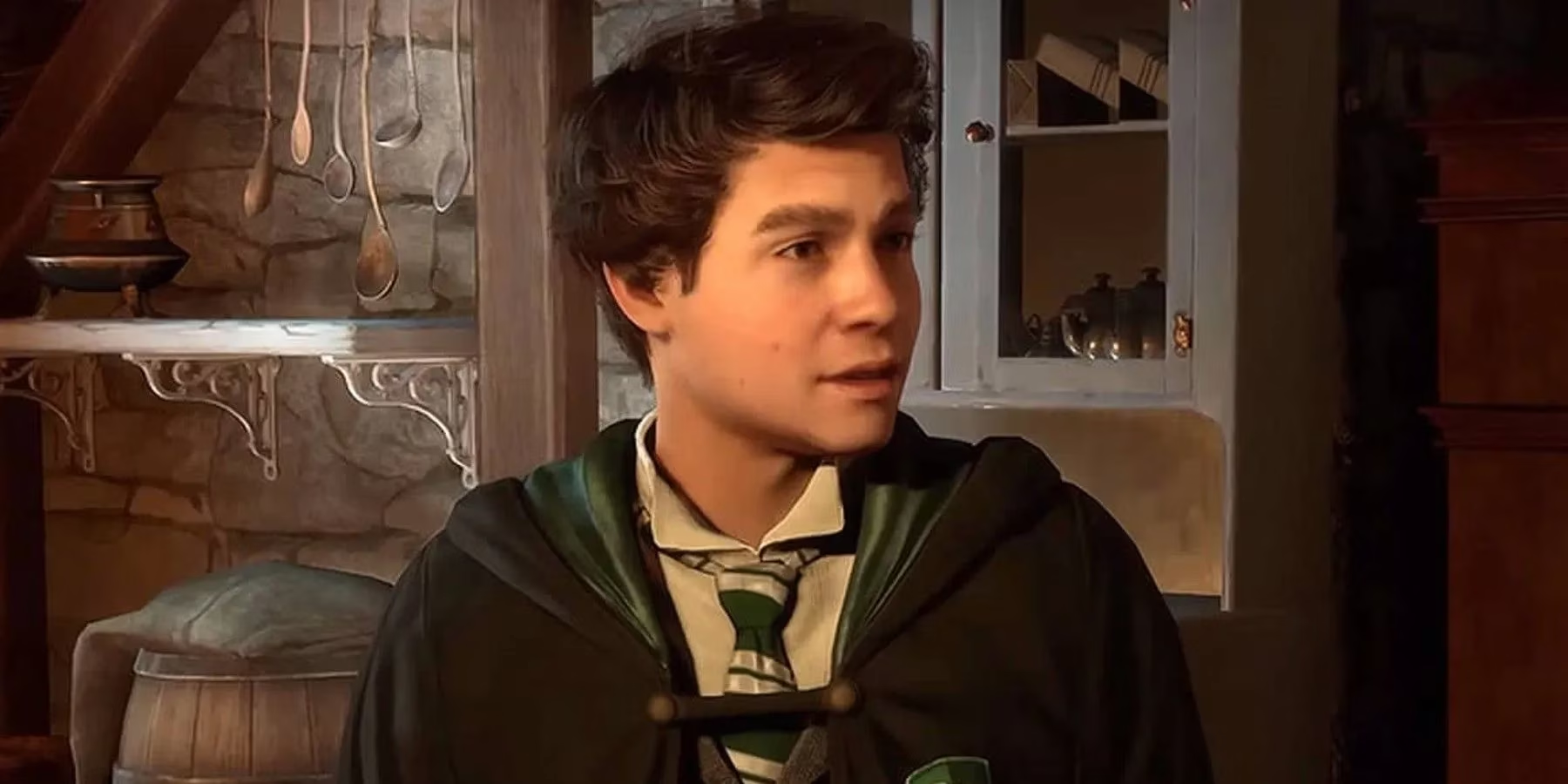
One promising route is Sebastian Sallow. He is the character who teaches the player dark magic in the first game, and his quest line slowly pushes him toward darkness until he destroys his ties with his family. If the sequel is a direct continuation, Sallow could become a significant figure who is already walking that darker path. He could be the gateway to an alternate story branch, similar to the good and evil paths in Infamous 2. I like this idea because it gives dark magic natural narrative content instead of treating it as a cosmetic combat option. Perhaps repeated use of Unforgivable Curses locks the player out of the good path. Perhaps the curses are unavailable until the player commits to the dark path. Either way, the spells would matter.
The Choice I Want to Make
What excites me most is how this could deepen combat. In a tough battle, I would have to weigh a quick, devastating curse against the long-term cost to my story and relationships. That is far more interesting than casting a curse and then being treated as if nothing happened. It would also add replay value. I could finish one playthrough as a principled student and another as someone who embraced the dark arts and accepted the consequences. That is the kind of role-playing depth Hogwarts Legacy only hinted at.
Some players argue that the best solution would have been to leave dark magic out of the game entirely, at least as a gameplay mechanic. I understand that position. The player character does not need a torture spell or an instant-killing spell, and those tools can damage immersion when they are handled carelessly. But the franchise cannot un-ring that bell. Once players have learned the Unforgivable Curses, removing them in the sequel would feel like a retreat. Avalanche Software should instead make dark magic more purposeful and deep.
Whatever premise the sequel chooses, dark magic should play a significant, game-altering role. If the story continues directly, Sebastian Sallow is the obvious anchor. If the game moves to a new setting, a reputation or temptation system could do similar work. My hope for 2026 and beyond is simple: I want the dark arts to feel like a genuine choice, not a bonus spell pack. Give me consequences, give me fear in the eyes of NPCs, give me companions who remember what I did, and give me a story that changes because I chose power over principle. That is how the Hogwarts Legacy sequel can make dark magic worthy of its name. 🪄