I’ve been replaying Hogwarts Legacy again in 2026, and every time I roam those torchlit corridors I stumble on new reasons to geek out. The game is set way back in the 1890s, long before Harry, Ron, and Hermione ever stepped through the castle doors. Yet the halls are packed with names that set off little fireworks in my brain because they belong to families we know from the books. It’s like a giant genealogical treasure hunt, and honestly, who doesn’t love spotting a familiar surname and trying to work out the exact branch of the family tree? Let’s walk through the most fascinating familial connections I’ve dug up, and I’ll share what I think they really mean.
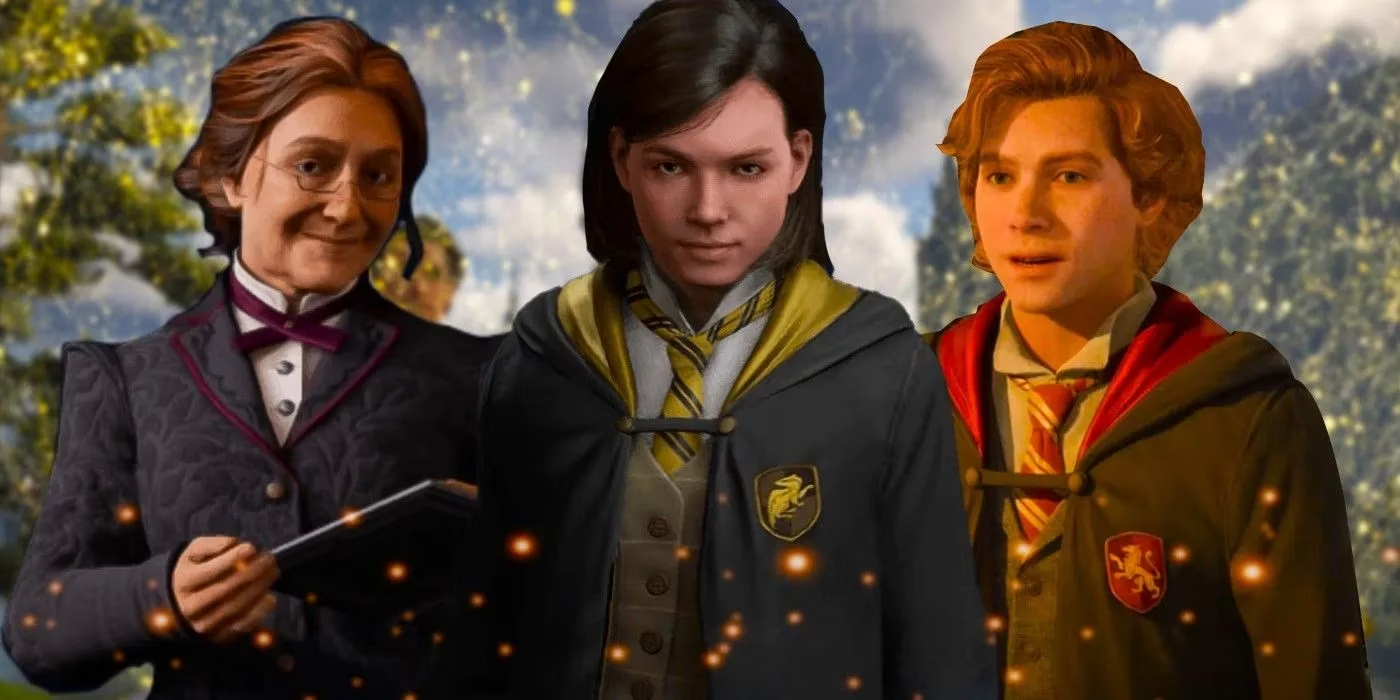
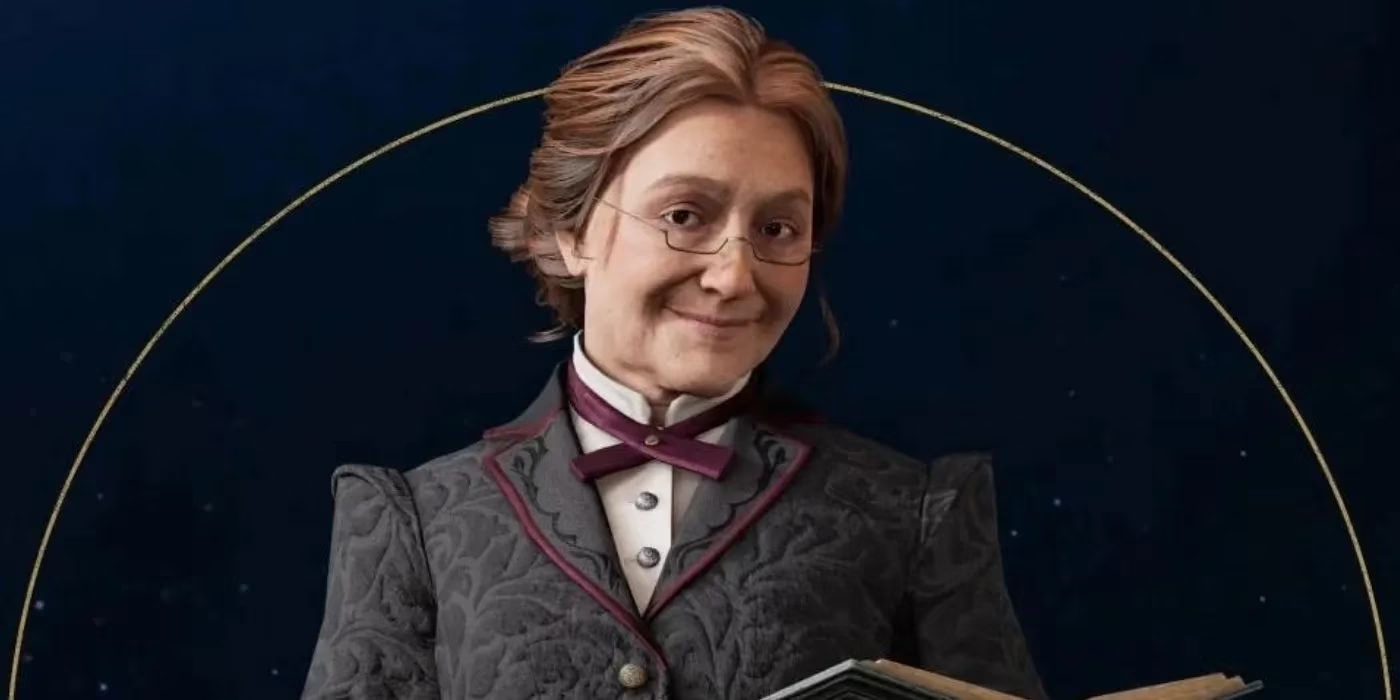
First off, the Weasleys are everywhere, and I love it. Professor Matilda Weasley is the no‑nonsense Deputy Headmistress who actually runs the place while Headmaster Black sulks in his office. Obviously she’s related to Ron, but the exact tie is deliciously unclear. Because she’s a woman in a leadership role during the Victorian era, she could be a married-in Weasley, or she might be a distant great aunt. My money is on her being part of the extended clan rather than a direct ancestor — Ron’s family has so many siblings swirling around that Matilda probably sits on a cousin branch rather than the main trunk. That Weasley pragmatic warmth, though? Undeniable.
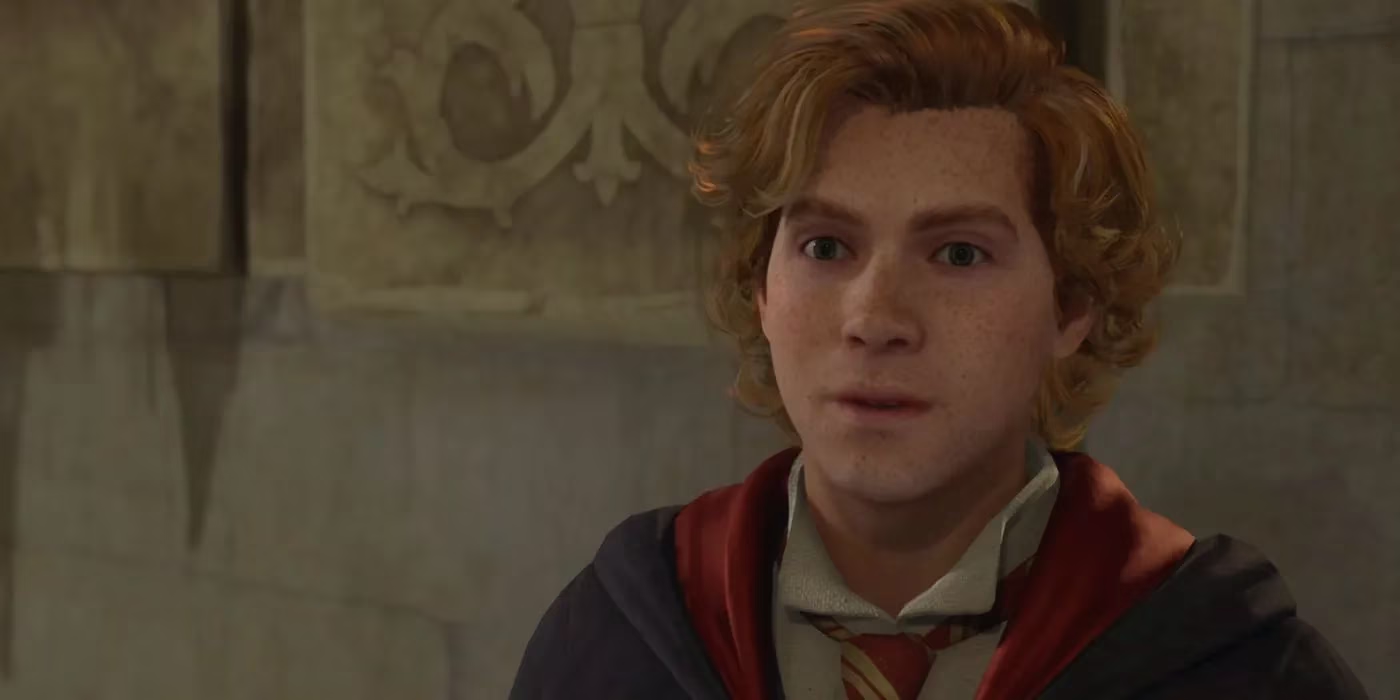
Then there’s Garreth Weasley, the student who’s always causing minor explosions in potions class. He’s got the signature red hair and a rebellious streak that would make the twins proud. The timeline makes it very tempting to label him as Ron’s great‑great‑great grandfather. But knowing the Weasleys, they’ve never been a one‑branch family. Garreth might be a direct ancestor, or one of his many future siblings could hold that honor. Either way, I’d bet a handful of Chocolate Frogs that his flaming concoctions are a direct spiritual predecessor to Fred and George’s experiments.
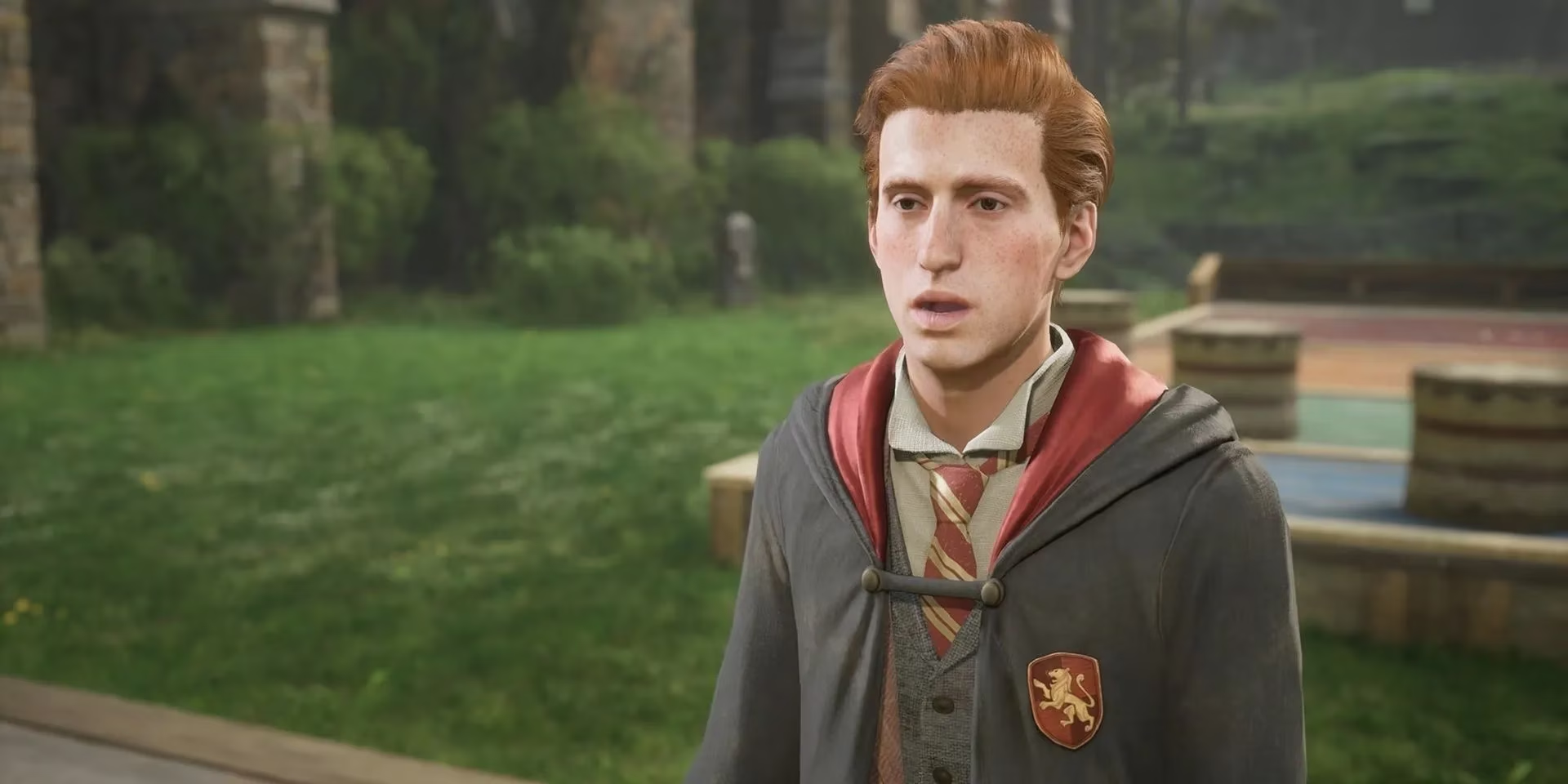
Even the Prewett line gets a spotlight, and that made me grin like a first‑year with a new wand. Leander Prewitt, a Gryffindor who duels Sebastian on day one, doesn’t wear the Weasley name. Instead, he carries the maiden name of Ron’s mother, Molly. So Leander is almost certainly a distant ancestor or relative of Molly Prewett, which threads the game directly into the heart of the Weasley family. Isn’t it brilliant that a seemingly minor student duel can hide a link to one of the most important characters in the series?
Now let’s shift from red hair to ancient darkness. Phineas Nigellus Black has got to be the laziest headmaster ever conjured, but his name connects him squarely to Sirius Black. He’s Sirius’s great‑great‑grandfather, and you can see that aristocratic sneer running in the bloodline. Every time I pass his portrait in the game, I almost hear Sirius muttering something rude about his legacy.
Speaking of dignified professions, Gerbold Ollivander runs the wand shop in Hogsmeade, and this one is cut and dried: he’s Garrick Ollivander’s grandfather. Knowing that the same family was already matching wands to wizards in the 1890s makes visiting that shop feel like stepping into a wizarding pilgrimage site. How many generations of Ollivanders have whispered “the wand chooses the wizard” to young witches and wizards?
Villainy, unfortunately, also runs in families. Victor Rookwood, one of the main antagonists of Hogwarts Legacy, shares a surname with Augustus Rookwood, a Death Eater in the books. It’s not perfectly clear if Victor is a direct ancestor — he could be a childless uncle with a sibling who continued the line — but the moral compass definitely points the same way. The Rookwoods seem to have a multi‑generational talent for picking the wrong side, don’t they?
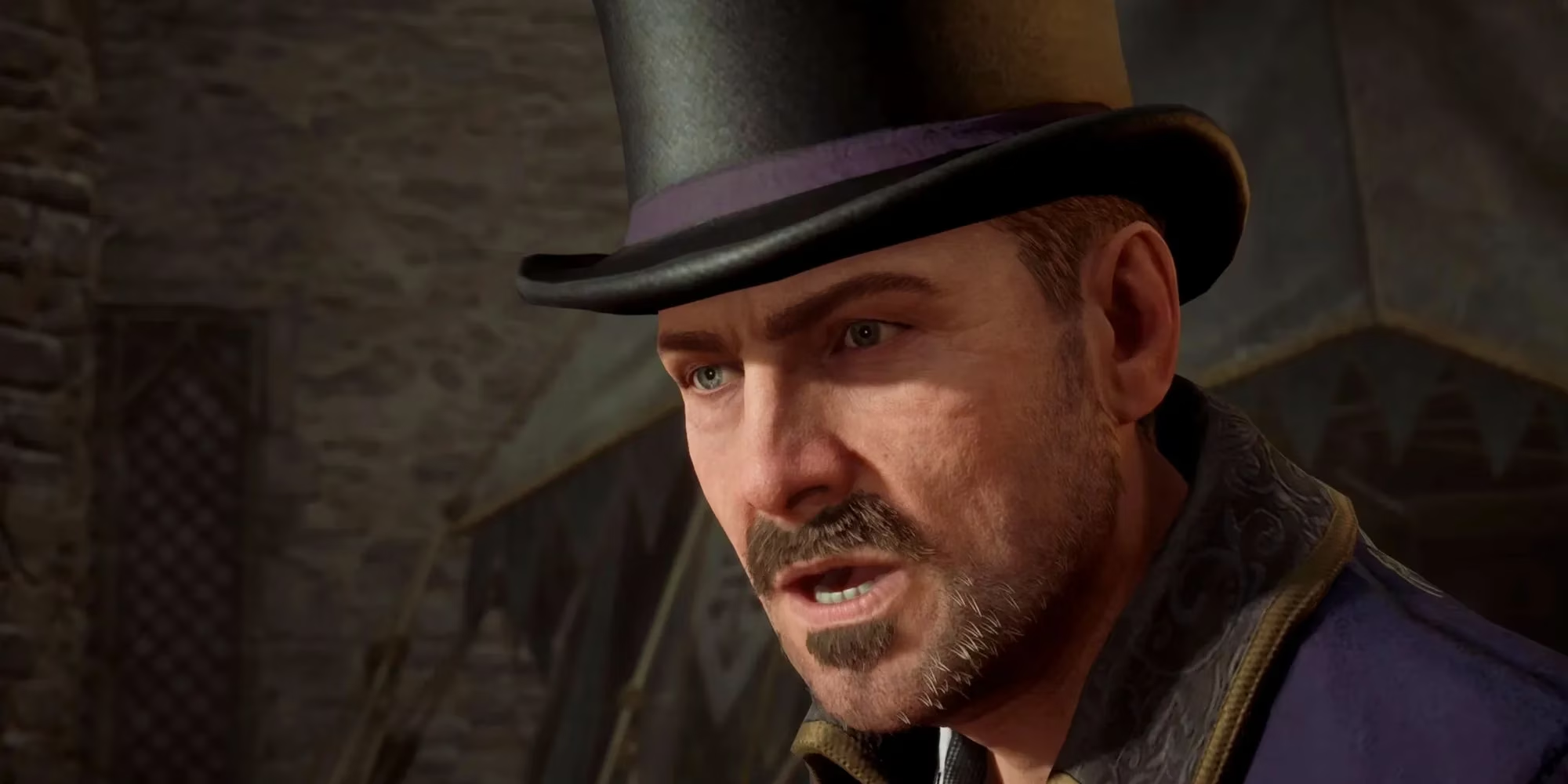
On a much brighter note, Helen Thistlewood, a retired Auror you meet during the Hufflepuff house quest, turns out to be the great‑niece of Eldritch Diggory. That makes her a distant relative of Cedric Diggory. When I first learned this, I actually paused the game for a moment. Cedric’s fate still stings, and knowing his family had long roots in magical law enforcement adds an extra layer of tragedy to his memory.
What about the side characters who almost changed their names? Hector Jenkins was originally meant to be a Weasley, but the developers switched his surname. His descendant doesn’t show up in the main Harry Potter books, but rather in the next generation — a Karl Jenkins is a classmate of Albus Potter at Hogwarts. So Hector’s line lived on, quietly, away from the center of the action.
Perhaps the most tantalizing connection is the one that might involve Hermione Granger. Constance Dagworth, a member of the Crossed Wands Duelling Club, carries a name that echoes Hector Dagworth‑Granger, a renowned potioneer mentioned in the series. In the books, Slughorn asks Hermione if she’s related to Hector, and she says she isn’t sure because she’s Muggle‑born. If there is a link, Constance could be a distant ancestor, meaning Hermione may have had magic in her blood all along, just buried very deep. That’s the sort of fan speculation I adore — it doesn’t rewrite Hermione’s identity but adds a lovely, mysterious texture.
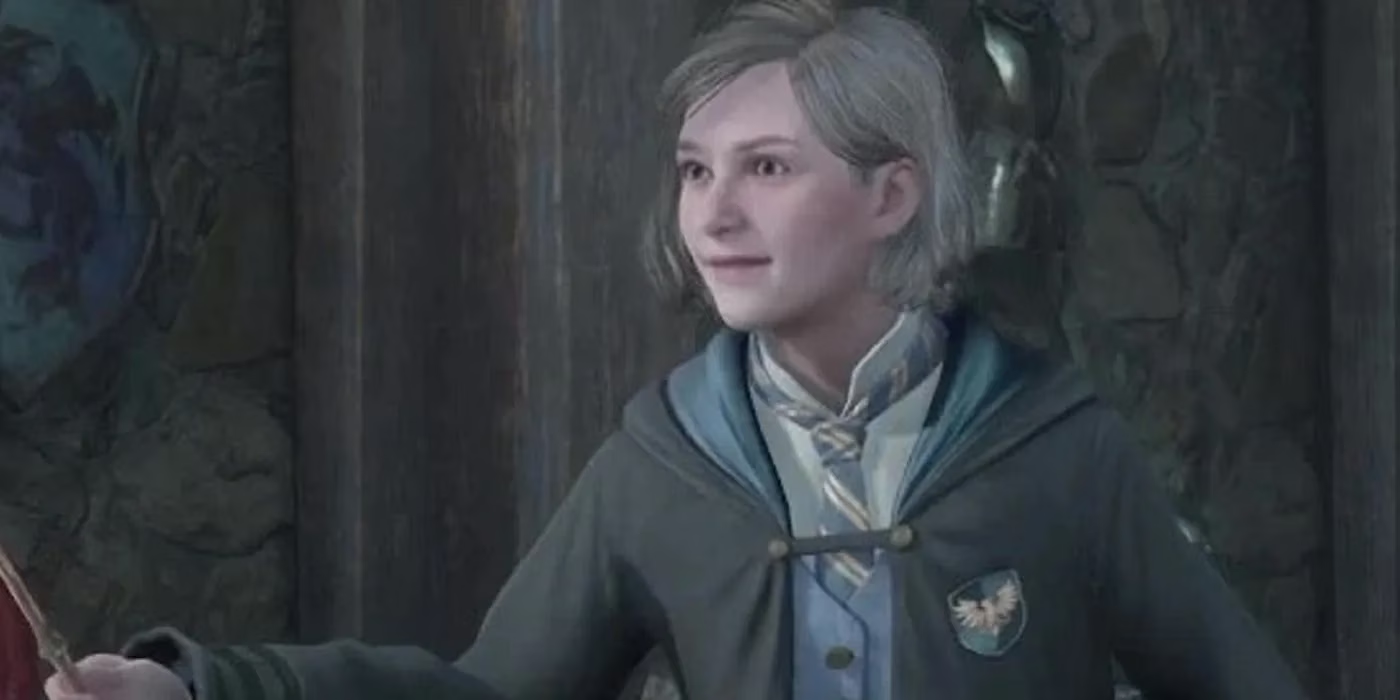
Finally, we can’t leave out Poppy Sweeting, the animal‑loving Hufflepuff who helps us rescue a dragon. Instead of having a descendant in the main timeline, Poppy herself is tied to the past. Her ancestor Havelock Sweeting appears on a Chocolate Frog card in the game adaptations of the books. This flips the usual direction and reminds us that Hogwarts Legacy isn’t just about looking forward — it’s also a window into the forgotten heroes of the wizarding world.
Replaying Hogwarts Legacy in 2026 feels even richer with these connections in mind. Every corridor quip and background NPC now feels like a piece of a vast, centuries‑spanning puzzle. Which family tie surprised you the most? Because for me, realising that a ghost of the past might be linked to Hermione’s heritage still sends a shiver down my spine.