I still remember the long wait. Hogwarts Legacy had already been out on PC, PS5, and Xbox Series X/S for months, and PS4 and Xbox One owners had their turn too, but Nintendo Switch players were stuck watching from the sidelines. The port was delayed, dissected, and doubted. By the time it finally arrived on November 14, 2023, the question was no longer whether Avalanche Software could squeeze the game onto the Switch. The real question was whether the result would feel like Hogwarts Legacy or like a spell cast with half a wand.
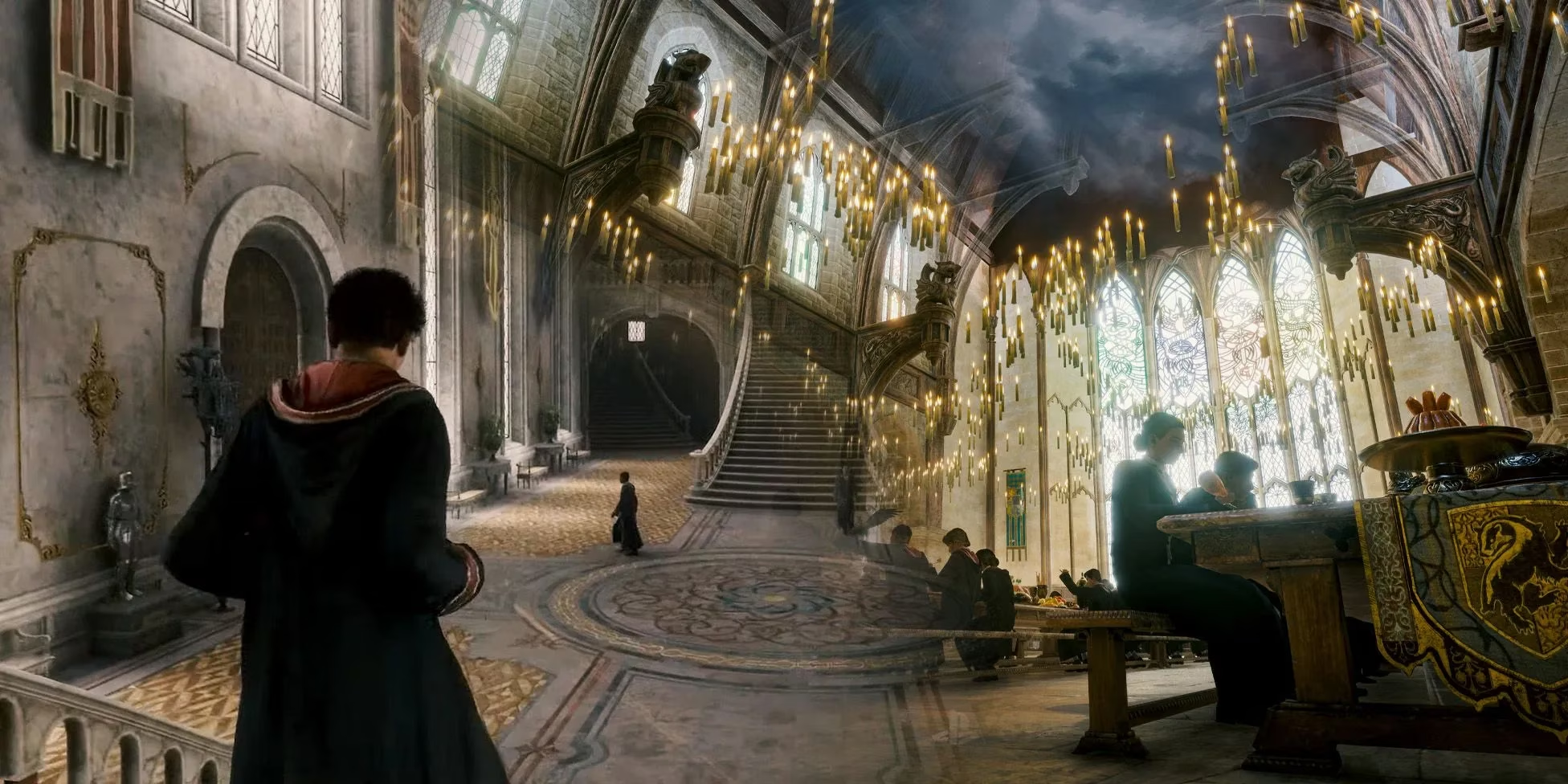
As of 2026, I can look back at that launch with clearer eyes. The Switch version is no longer a rumor, a delay notice, or a preorder bonus. It is a finished product, patched over time, and still one of the more fascinating compromises in modern console porting. The original Switch was already aging when the port arrived, and with a successor console now in the market, the technical gap is even easier to see. Yet the story of Hogwarts Legacy on Switch is not just a story about downgrades. It is a story about timing, expectations, and how far developers were willing to go to keep the Hogwarts dream playable on a handheld.
The Release Date That Finally Stuck
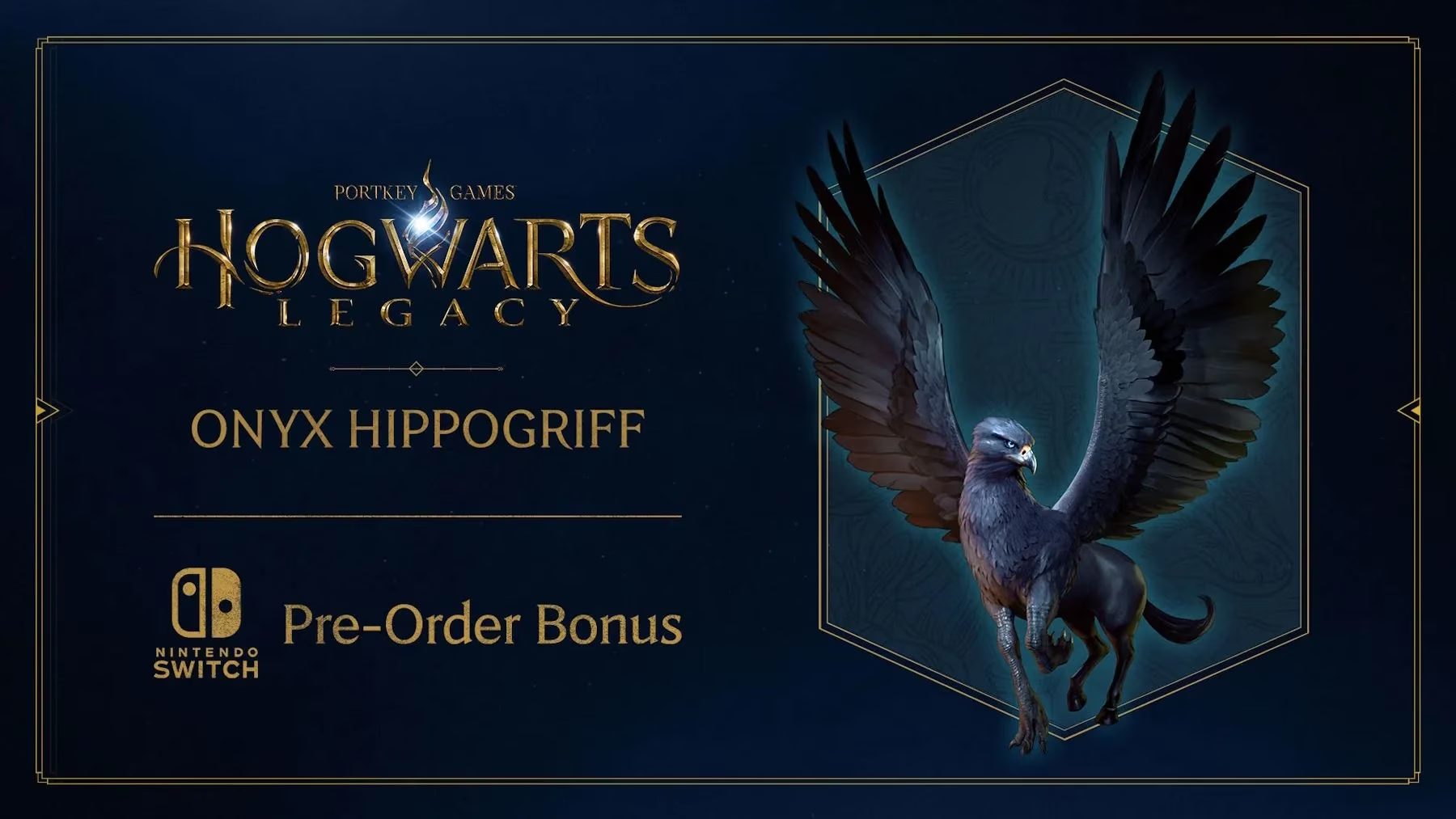
After several delays, Hogwarts Legacy was scheduled for the Nintendo Switch on November 14, 2023. Digital preorders were available on Nintendo's website, and they included an in-game Onyx Hippogriff preorder bonus. That date mattered because it put the Switch version more than nine months after the game's original launch on PC, PS5, and Xbox Series X/S, and six months after the PS4 and Xbox One versions. Was that a disappointment? For many fans, yes. But it was also a smart holiday-season placement.
I think the holiday timing helped more than the delays hurt. Switch owners who had waited all year finally had a major open-world Harry Potter game to consider, and the handheld appeal was obvious. The staggered release was painful, but it gave Avalanche Software extra time to adapt a graphically intense design to hardware that was never built for that kind of scale.
What Changed for the Switch Version?
Even as the release date approached, Avalanche Software revealed little about the specific changes. That was frustrating, but not surprising. The PS4 and Xbox One versions had already struggled with performance hiccups after their own lengthy development process, and the Switch is less powerful than those older consoles. So what did Switch owners actually get? The safest answer is: a version that preserved the overall feel of the game while accepting visible graphical compromises.
Recent screenshots before launch gave a glimpse of the graphical downgrade. That was expected. The level of detail on a Switch cannot match a PS5, and I do not think anyone seriously expected it to. The more important question was whether the art direction, the atmosphere, and the sense of place would survive. According to the developers, that was the goal.
Advanced Game Designer Troy Johnson told the Italian website Multiplayer: 'The Switch version is going to be awesome, it sure will be. We are doing everything in our power to make sure that each version is beautiful, that it is well optimized, and above all that it is faithful to the idea we had of the title. And in the end, it will be exactly the title we want.' I appreciate that ambition, even if the final product had to make hard choices.
Performance: The Elephant in the Room
At the time of launch, there were no official statements about loading times and frame rates for the Switch version. That silence made sense. When Hogwarts Legacy was downgraded from PS5 to PS4, standard loading times reportedly jumped from around 5 seconds to 40 seconds. The Switch is even less powerful than a PS4, so I expected performance to be less impressive. Did that ruin the experience? For some players, probably. For others, the portability was worth the trade-off.
| Platform | Launch Window | What It Meant |
|---|---|---|
| PC, PS5, Xbox Series X/S | Early 2023 | The original, most technically ambitious release |
| PS4, Xbox One | Mid-2023 | A late-gen port with its own compromises |
| Nintendo Switch | November 14, 2023 | A holiday-timed handheld version with visible downgrades |
| 2026 perspective | Post-launch patching | A finished port, still defined by hardware limits |
I have to ask: is a compromised version worse than no version at all? For a game this large, on a handheld this flexible, the answer is not simple. The Switch version was never going to be the definitive way to play Hogwarts Legacy. But it was another option, and for many players, options matter.
Not a Cloud Version
One of the biggest concerns was whether Hogwarts Legacy would be a Cloud version on Switch. Several major games had taken that route, and the size of Hogwarts Legacy made some people believe it could not run locally. That was refuted. The Switch version runs off the cartridge and console itself, not from online gaming servers. I think that was the right call. A cloud version would have undermined the handheld advantage and added another layer of instability.
The Verdict From 2026
Looking back from 2026, I see the Switch port as a classic late-generation compromise. It arrived just in time for the holiday season, it was not a cloud version, and it kept the core Hogwarts fantasy intact. But it also carried the cost of the hardware: reduced graphical detail, likely longer loading times, and performance that could not match the original release. The good news for Switch owners was simple: they finally had Hogwarts Legacy on a handheld. The bad news was equally simple: it was not the same Hogwarts Legacy that PC and current-gen players saw.
Would I recommend it today? That depends. If you only play on Switch and you value portability above visual fidelity, the port still has real appeal. If you have access to a more powerful platform, the original version remains the better way to experience the game. The magic is there either way, but on Switch, it has clearly been shrunk to fit.